When it comes to precision manufacturing, choosing the right material is just as important as choosing the right machining process. The metal you select directly affects durability, strength, weight, corrosion resistance, machining time, and overall production costs.
Whether you’re producing aerospace components, industrial equipment, medical devices, electronic enclosures, or custom OEM parts, understanding the properties of different metals can help ensure better performance and long-term reliability.
In modern CNC manufacturing in Canada, manufacturers rely on a variety of metals to meet the demands of different industries. Some materials offer exceptional machinability and cost efficiency, while others deliver superior strength, corrosion resistance, or thermal performance.
In this guide, we’ll explore the most common metals used in CNC machining, their advantages, applications, and how to choose the right material for your next project.
Why Material Selection Matters in CNC Manufacturing?
Many manufacturers focus on part design and tolerances, but material selection often has the greatest impact on the final product.
The right material can:
- Improve product lifespan
- Reduce machining costs
- Increase manufacturing efficiency
- Enhance corrosion resistance
- Meet industry-specific compliance standards
- Improve overall performance
Materials with high machinability can be cut faster, reduce tooling wear, and lower production costs. Harder materials may offer greater strength but often require longer machining times and specialized tooling.
Simply put, selecting the right material from the start can save both time and money throughout the manufacturing process.
Aluminum: The Most Popular CNC Machining Metal:
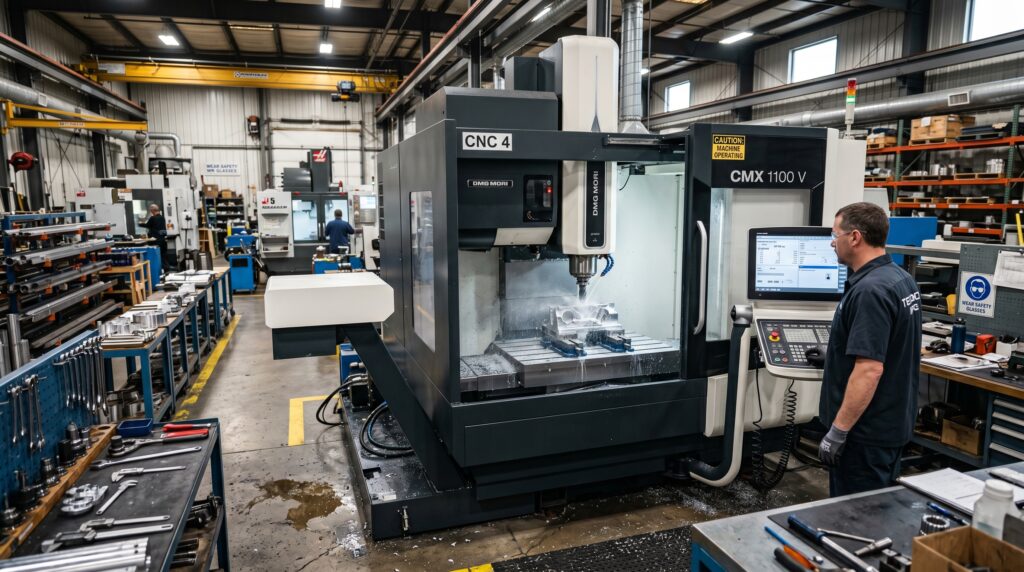
Aluminum remains one of the most widely used materials in CNC machining due to its excellent balance of strength, weight, and machinability.
Why Manufacturers Choose Aluminum?
Aluminum offers:
- Lightweight construction
- Excellent corrosion resistance
- High thermal conductivity
- Fast machining speeds
- Cost-effective production
One of aluminum’s biggest advantages is its weight. It weighs approximately one-third as much as steel while still providing impressive structural strength.
Common Industries Using Aluminum CNC Parts:
Aluminum components are commonly found in:
- Aerospace systems
- Automotive components
- Robotics
- Consumer electronics
- Industrial equipment
Because aluminum machines quickly and creates less tool wear, it is often considered one of the best metals for CNC machining when balancing performance and manufacturing costs.
Advantages and Limitations:
Advantages:
- Lightweight
- Easy to machine
- Affordable
- Corrosion resistant
Limitations:
- Lower strength than steel
- Less suitable for extreme load-bearing applications
Stainless Steel: Strength and Corrosion Resistance:
When durability and corrosion resistance are critical, stainless steel is often the preferred choice.
Key Benefits of Stainless Steel CNC Machining:
Manufacturers choose stainless steel because it offers:
- Exceptional strength
- Long service life
- High corrosion resistance
- Attractive surface finish
Stainless steel performs particularly well in harsh environments where moisture, chemicals, or temperature fluctuations are present.
Common Stainless Steel Grades:
Popular grades include:
- 304 Stainless Steel
- 316 Stainless Steel
- 17-4 PH Stainless Steel
Typical Applications:
Stainless steel components are frequently used in:
- Medical equipment
- Food processing machinery
- Marine applications
- Industrial manufacturing
- Energy sectors
Advantages and Limitations:
Advantages:
- High strength
- Excellent corrosion resistance
- Long-lasting performance
Limitations:
- Higher machining costs
- Increased tool wear
- Longer production cycles
Carbon Steel: Durable and Cost-Effective:
Carbon steel remains a popular choice for industrial and heavy-duty applications.
Why Carbon Steel Is Commonly Used?
Carbon steel offers a strong combination of:
- Durability
- Strength
- Affordability
For manufacturers seeking robust components without the higher cost of specialty alloys, carbon steel often provides an excellent solution.
Common Applications:
You’ll frequently find carbon steel in:
- Machinery components
- Industrial equipment
- Construction applications
- Structural parts
Advantages and Limitations:
Advantages:
- Strong and durable
- Lower material costs
- Good wear resistance
Limitations:
- Requires protective coatings in corrosive environments
- Heavier than aluminum
Brass: Ideal for Precision Components:
Brass is known for its excellent machinability and attractive finish.
What Makes Brass Easy to Machine?
Brass cuts cleanly, produces minimal tool wear, and can achieve tight tolerances with excellent surface finishes. Materials such as brass are generally considered among the easiest metals to machine.
Benefits of Brass CNC Machining:
- Excellent machinability
- Corrosion resistance
- Attractive appearance
- Reliable dimensional accuracy
Common Applications:
Brass components are often used in:
- Electrical connectors
- Plumbing fittings
- Valves
- Instrumentation components
For projects requiring intricate designs and precision, brass remains one of the most reliable metals used for CNC machining.
Copper: Superior Electrical Conductivity:
Copper plays an essential role in industries that require efficient electrical and thermal performance.
Benefits of Copper CNC Machining:
Copper offers:
- Outstanding electrical conductivity
- Excellent heat transfer
- Corrosion resistance
- Long-term reliability
Common Applications:
Copper is frequently used for:
- Electrical contacts
- Bus bars
- Heat sinks
- Power distribution components
Challenges of Machining Copper:
Although copper offers excellent performance, it can be softer than other metals, requiring careful machining techniques to maintain dimensional accuracy.
Titanium: High Performance for Critical Applications:
Titanium is often selected when performance requirements exceed the capabilities of conventional materials.
Why Titanium Is Used in Advanced Manufacturing?
Titanium delivers:
- Exceptional strength-to-weight ratio
- Outstanding corrosion resistance
- High temperature resistance
- Biocompatibility
Titanium is stronger than many common metals while remaining significantly lighter, making it highly desirable for aerospace and medical applications.
Aerospace and Medical Applications:
Titanium is commonly found in:
- Aircraft components
- Medical implants
- Surgical devices
- Marine systems
Machining Challenges:
Titanium can be significantly more difficult to machine than aluminum or steel because of its material properties and heat management requirements.
Advantages and Limitations:
Advantages:
- Exceptional strength
- Corrosion resistance
- Lightweight performance
Limitations:
- Higher material costs
- Longer machining times
- Increased tooling requirements
Comparing Common CNC Machining Metals:
| Material | Strength | Weight | Corrosion Resistance | Machinability | Cost |
| Aluminum | High | Very Light | High | Excellent | Low |
| Stainless Steel | Very High | Heavy | Excellent | Moderate | Medium |
| Carbon Steel | High | Heavy | Moderate | Good | Low |
| Brass | Moderate | Medium | High | Excellent | Medium |
| Copper | Moderate | Medium | High | Good | Medium-High |
| Titanium | Very High | Light | Excellent | Difficult | High |
How to Choose the Right Metal for Your CNC Project?
Selecting the ideal material starts with understanding the project’s requirements.
Consider the following factors:
Part Function:
Will the component handle heavy loads, electrical currents, or exposure to extreme temperatures?
Environmental Conditions:
Will the part be exposed to moisture, chemicals, or corrosive environments?
Weight Requirements:
Industries such as aerospace and automotive often prioritize lightweight materials.
Production Volume:
The material selection may vary depending on whether you’re producing prototypes or full production runs.
For a deeper look at production planning, read our guide on CNC machining production volumes
Budget Considerations:
Balancing performance requirements with manufacturing costs is essential for long-term success.
Industries That Depend on CNC Machined Metal Components:
Modern manufacturing relies heavily on precision-machined metal parts.
Key industries include:
Aerospace Manufacturing:
Aircraft manufacturers frequently use aluminum and titanium to reduce weight while maintaining structural integrity.
Medical Device Manufacturing:
Medical-grade stainless steel and titanium are commonly used for surgical instruments and implants.
Electronics Manufacturing:
Copper and aluminum play critical roles in thermal management and electrical conductivity.
Automotive Manufacturing:
Automotive companies utilize a variety of metals to improve performance, efficiency, and safety.
Industrial Equipment Manufacturing:
Carbon steel and stainless steel remain popular choices for heavy-duty industrial applications.
Understanding Metal CNC Manufacturing:
Before selecting a material, it’s important to understand how machining processes affect performance, cost, and production outcomes.
Learn more about the complete process in our detailed guide: What is CNC manufacturing?
Manufacturers involved in CNC metal fabrication Canada projects often evaluate multiple materials before determining the most cost-effective and performance-driven solution.
Why OEMs Need the Right CNC Machining Partner?
Material selection is only part of the equation.
Working with an experienced CNC machining provider ensures:
- Better material recommendations
- Improved production efficiency
- Tight-tolerance manufacturing
- Consistent quality control
- Faster turnaround times
If you’re developing custom parts for industrial applications, explore our guide on: CNC Machining Services in Canada
Experienced machining partners can help optimize material selection, design, and manufacturing strategies for long-term success.
Frequently Asked Questions About CNC Machining Metals
What is the easiest metal to machine?
Aluminum and brass are generally considered among the easiest metals to machine due to their excellent machinability and lower tool wear.
Which metal is best for CNC machining?
The best material depends on your application. Aluminum is ideal for lightweight components, while stainless steel and titanium are better suited for high-strength environments.
Is aluminum stronger than stainless steel?
No. Stainless steel is generally stronger than aluminum, although aluminum offers a superior strength-to-weight ratio.
What industries use titanium CNC parts?
Titanium is widely used in aerospace, medical, marine, and high-performance industrial applications.
How do I choose the right material for CNC machining?
Evaluate your strength requirements, environmental conditions, budget, weight limitations, and production volume before selecting a material.
Selecting the Right Metal Can Improve Product Performance and Manufacturing Efficiency
The success of any CNC machining project begins with choosing the right material.
From lightweight aluminum and highly machinable brass to durable stainless steel and high-performance titanium, every metal offers unique advantages depending on the application.
As demand for precision CNC manufacturing in Canada continues to grow, manufacturers that understand material selection can improve product quality, reduce production costs, and achieve better long-term results.
If you’re planning a custom CNC machining project, working with an experienced manufacturing partner can help ensure you choose the right material for performance, durability, and cost efficiency.